can low blood sugar cause anxiety Diabetes quickly glucose invoice fasting proforma control gestational diabetic facts elevated causes hypoglycemia mellitus a1c
Are you familiar with the impact of stress on your body? Did you know that it can also cause high blood sugar levels in non-diabetics? According to recent studies, stress can trigger the release of glucose to provide the body with energy. This is because stress activates hormones that cause the liver to produce glucose, which is then released into the bloodstream. As a result, blood sugar levels can increase, even in individuals who do not have diabetes. It’s not just mental stress that can cause this effect either. Physical stress, such as illness or injury, can also have a similar impact on blood sugar levels. It’s important to note that while short-term spikes in blood sugar levels may not pose significant health risks, prolonged elevations can lead to serious health problems, such as heart disease, kidney damage, and nerve damage. One way to combat this issue is to implement a low sugar diet. This involves consuming foods that have a low glycemic index, which means they don’t cause significant spikes in blood sugar levels. Some examples of low glycemic index foods include leafy greens, whole grains, and lean proteins. But what exactly is considered a low sugar diet? Experts suggest that individuals consume foods with a glycemic index of 55 or less. This includes foods such as sweet potatoes, quinoa, and berries. It’s important to also note that while certain fruits may be considered low glycemic index, they can still be high in natural sugars and should be consumed in moderation. Here’s an example of a daily meal plan that follows a low sugar diet: - Breakfast: Oatmeal with chopped nuts and berries - Snack: Apple slices with almond butter - Lunch: Grilled chicken salad with mixed greens, cucumbers, and tomatoes - Snack: Carrots and hummus - Dinner: Baked salmon with roasted sweet potatoes and asparagus Incorporating a low sugar diet can not only help manage blood sugar levels, but it can also have numerous other health benefits, such as reducing inflammation and improving heart health. Remember, stress can have a significant impact on our bodies, including our blood sugar levels. By implementing a low sugar diet, we can take a proactive approach to managing our health and reducing the risk of serious health complications. 
Stress and Blood Sugar Levels
Recent studies have shown that stress can cause high blood sugar levels in non-diabetics. Stress activates hormones that cause the liver to produce glucose, which is then released into the bloodstream, increasing blood sugar levels.
 A Low Sugar Diet
A low sugar diet involves consuming foods with a low glycemic index of 55 or less. This includes foods such as leafy greens, whole grains, and lean proteins. Implementing a low sugar diet can help manage blood sugar levels, reduce inflammation, and improve heart health.
If you are searching about Can Low Blood Sugar Cause Anxiety - AnxietyProHelp.com you’ve visit to the right web. We have 5 Pictures about Can Low Blood Sugar Cause Anxiety - AnxietyProHelp.com like Why Sugar and Anxiety are Not a Good Combination & How to Cut it Out, Can Low Blood Sugar Cause Anxiety — DiabetesCareTalk.net and also Can Low Blood Sugar Cause Anxiety - AnxietyProHelp.com. Here you go:
Can Low Blood Sugar Cause Anxiety - AnxietyProHelp.com
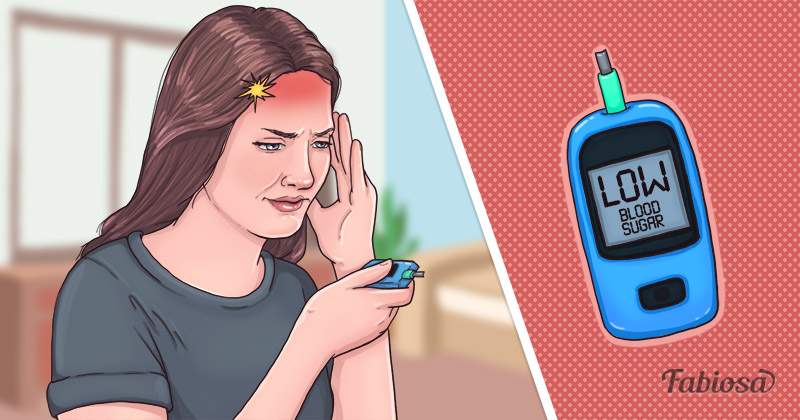 www.anxietyprohelp.comCan Stress Cause High Blood Sugar Levels In Non Diabetics
diabetectips.comdiabetics
What Is Considered A Low Sugar Diet - Oman3ddesign
oman3ddesign.blogspot.comdiabetes quickly glucose invoice fasting proforma control gestational diabetic facts elevated causes hypoglycemia mellitus a1c
Can Low Blood Sugar Cause Anxiety — DiabetesCareTalk.net
 www.diabetescaretalk.netWhy Sugar And Anxiety Are Not A Good Combination & How To Cut It Out
 www.amosuir.comanxiety bloodstream furthermore ongoing disrupts cortisol exacerbates
Can stress cause high blood sugar levels in non diabetics. Can low blood sugar cause anxiety. Anxiety bloodstream furthermore ongoing disrupts cortisol exacerbates