how to make turpentine A “cat face” on a tree tells a story
Pine trees are not only a beautiful addition to our natural landscapes, but they also provide a wide array of benefits to both humans and the environment. From providing wood for construction and furniture to producing essential oils and turpentine, pine trees have been an essential resource for centuries. As we take a closer look at the intricate details of these trees, we can notice fascinating characteristics unique to them. Take, for example, the curious “cat faces” found on the trunks of pine trees. These markings, created when the bark is cut or removed, reveal a fascinating story of the tree’s past. The technique of “cat facing” involves removing a section of the bark from a pine tree, revealing an oval-shaped mark that is reminiscent of a cat’s face. The practice was commonly used in the past as a way to gather pine resin, which was then used to make a wide variety of products, from paint to soap. The marks on the tree not only provide information about the use of the tree’s resin in the past but can also give clues to the approximate age of the tree. The size and shape of the cat face, as well as the number of marks on a tree, can give an idea of how long it has been tapped for resin. Aside from its resin, pine trees also provide other valuable resources, such as their needles and cones. The needles of pine trees are rich in vitamin C, and they have been used for centuries to make tea and other medicinal remedies. Pine cones, on the other hand, are rich in seeds that provide food for wildlife and can be roasted and eaten by humans. In addition to their various resources, pine trees also have a significant impact on the environment. Their extensive root systems help stabilize soil, preventing erosion, and their needles create a protective layer on the ground that helps retain moisture and nutrients. Pine trees also improve air quality by absorbing carbon dioxide and other pollutants. In conclusion, pine trees are fascinating and essential resources that have numerous benefits for humans and our environment. From their resin and needles to their intricate cat faces and contribution to our air quality, these trees are truly a treasure worth preserving.
If you are looking for Tapping Of Pine Resin To Make Turpentine Stock Photo 32301838 you’ve came to the right page. We have 5 Pictures about Tapping Of Pine Resin To Make Turpentine Stock Photo 32301838 like Walter Martin - a hardworking boy and man - Nancy H. Vest, Writer, Making Turpentine and Rosin from Pine Sap - YouTube and also TIGER TURPENTINE (BOTTLE) | Paint Thinners, Solvents & Cleaners | Horme. Here you go:
Tapping Of Pine Resin To Make Turpentine Stock Photo 32301838
 shutterstock.comturpentine tapping
Making Turpentine And Rosin From Pine Sap - YouTube
 www.youtube.comturpentine sap making pine
A “Cat Face” On A Tree Tells A Story - Our Mississippi Home
 www.ourmshome.comcat tree face tells story
TIGER TURPENTINE (BOTTLE) | Paint Thinners, Solvents & Cleaners | Horme
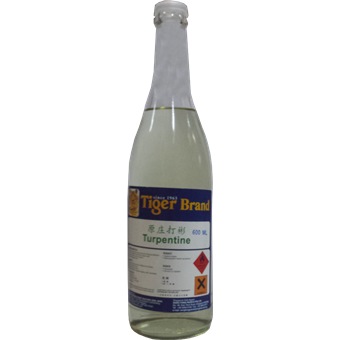 www.horme.com.sgturpentine horme tiger bottle
Walter Martin - A Hardworking Boy And Man - Nancy H. Vest, Writer
 nancyhvest.comsap turpentine gathering cut tree make walter hardworking martin man boy
Walter martin. Turpentine horme tiger bottle. Making turpentine and rosin from pine sap